
Creating and launching an online course can be a game-changer for your business and your audience. But to stand out and generate real results, you need to follow the best practices to create and launch e-courses that ensure quality, engagement, and profitability.
This guide reveals the proven best practices to create and launch e-courses efficiently, from planning your content to marketing your course and beyond.
Why Follow Best Practices to Create and Launch E-Courses?
Online learning is booming, and millions of creators are entering the market. To compete and thrive, understanding the best practices to create and launch e-courses will help you:
- Deliver valuable, engaging content that students love
- Build trust and authority in your niche
- Maximize enrollment and revenue with effective marketing
- Avoid common pitfalls that slow growth or cause failure
By adopting the right approach, you set your course — and business — up for lasting success.

Step 1: Plan Your Course with the Best Practices to Create and Launch E-Courses
Successful course creation starts with a solid plan. When you focus on the best practices to create and launch e-courses, you:
- Identify your target audience’s pain points
- Define clear learning outcomes
- Choose the most effective format and delivery style
- Set realistic timelines for creation and launch
A clear roadmap helps you stay on track and meet your goals.
Step 2: Develop High-Quality Content That Aligns with Best Practices to Create and Launch E-Courses
Quality content is the foundation of every successful course. Following the best practices to create and launch e-courses means:
- Breaking down lessons into digestible modules
- Using diverse media like videos, quizzes, and downloads
- Incorporating actionable assignments
- Ensuring content is accessible and easy to follow
Great content keeps students engaged and eager to complete your course.
Step 3: Choose the Right Platform Based on Best Practices to Create and Launch E-Courses
Your choice of platform impacts everything from student experience to your workflow. Best practices to create and launch e-courses recommend platforms that offer:
- User-friendly course builders
- Integrated payment processing
- Built-in marketing tools
- Reliable hosting and security
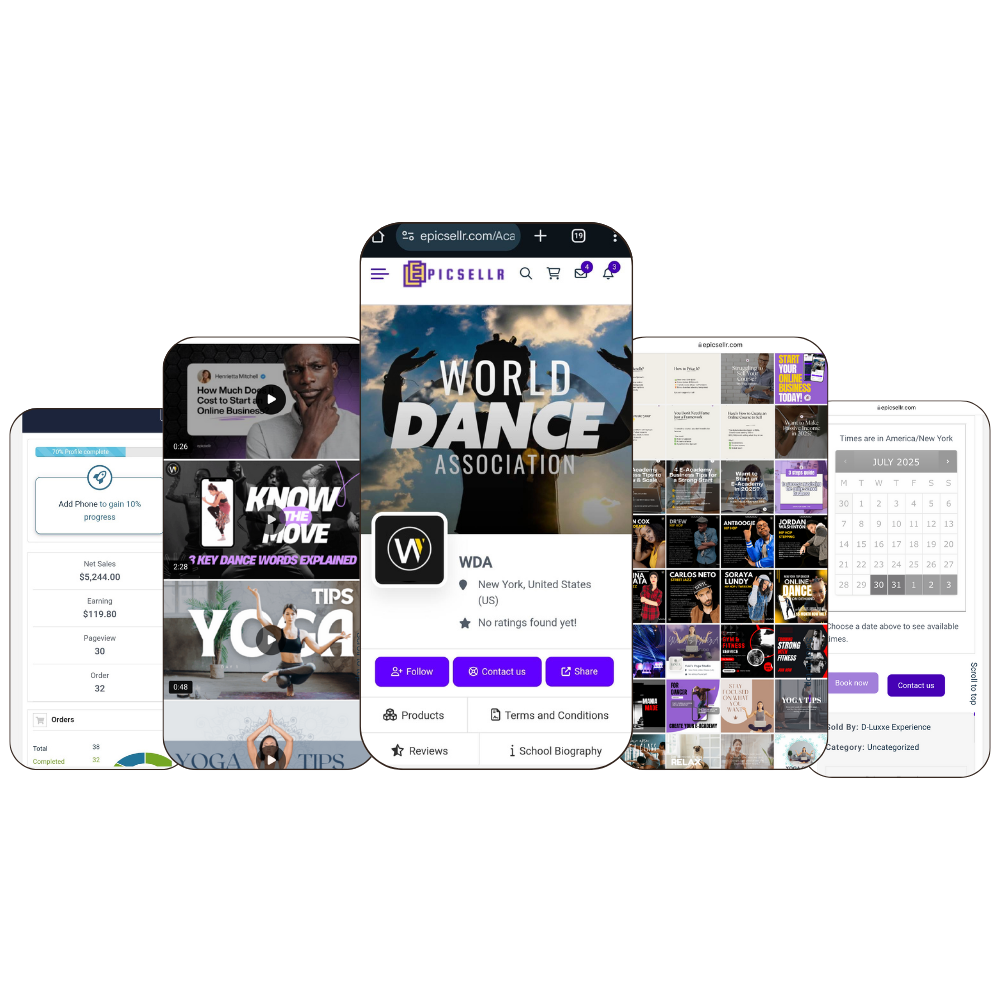
Platforms like Epicsellr streamline your course launch by combining all essential features under one roof.
Step 4: Price Your Course Strategically Following Best Practices to Create and Launch E-Courses
Pricing can make or break your course success. The best practices to create and launch e-courses suggest:
- Researching competitor pricing
- Testing one-time fees vs. subscription models
- Offering early-bird or launch discounts
- Considering payment plans to lower barriers
A well-thought pricing strategy helps you attract and retain students.
Step 5: Build a Marketing Plan Using Best Practices to Create and Launch E-Courses
Marketing your course effectively is a critical part of the best practices to create and launch e-courses. Your plan should include:
- Growing an email list and nurturing leads
- Leveraging social media platforms for promotion
- Hosting webinars or live sessions
- Using testimonials and case studies to build credibility
Consistent marketing drives enrollments and builds momentum.
Step 6: Launch Your Course Confidently With Best Practices to Create and Launch E-Courses
A well-executed launch is the culmination of your hard work. To align with best practices to create and launch e-courses, ensure you:
- Test your sales page and checkout process
- Communicate launch details clearly to your audience
- Use scarcity and urgency techniques
- Provide top-notch support to early students
A smooth launch creates positive buzz and encourages referrals.

Step 7: Engage Students Post-Launch Using Best Practices to Create and Launch E-Courses
Student engagement post-launch keeps your course alive and thriving. Following the best practices to create and launch e-courses, you should:
- Host Q&A sessions or live coaching
- Encourage community interaction
- Regularly update course content
- Collect feedback and testimonials
Active engagement improves retention and builds loyal fans.
Bonus Tips: Optimize and Scale Using Best Practices to Create and Launch E-Courses
Once your course is live, keep optimizing using these best practices to create and launch e-courses:
- Track analytics to understand student progress and drop-off points
- Upsell additional courses or coaching packages
- Experiment with new marketing channels
- Collaborate with other creators for cross-promotion
Scaling is easier when you base your growth on proven best practices.
Why Choose Epicsellr to Apply Best Practices to Create and Launch E-Courses?
If you want a platform that embodies the best practices to create and launch e-courses, Epicsellr is built for creators who want simplicity and power combined:
- All-in-one platform with course creation, subscriptions, payments, and marketing
- No plugins or complicated integrations
- User-friendly dashboards for you and your students
- Zero transaction fees — keep all your earnings
Epicsellr helps you focus on following the best practices to create and launch e-courses, while it handles the tech seamlessly.
Conclusion: Take Action Now and Follow the Best Practices to Create and Launch E-Courses
Following the best practices to create and launch e-courses will give you a solid foundation to build a thriving online education business. From planning and pricing to marketing and student engagement, these steps ensure your course stands out and delivers value.
Ready to create, launch, and grow your online course with ease? Start today with a platform designed for creators.
Launch Your E-Course Today with Epicsellr
Epicsellr makes it easy to implement the best practices to create and launch e-courses. Get started now — no tech headaches, just straightforward tools to build, market, and scale your online courses.