
In the digital age, knowing how to sell content online is a powerful way to monetize your expertise, creativity, or knowledge. From e-books and digital downloads to online courses and subscription content, selling online allows you to reach a global audience while generating revenue without the constraints of physical products.
This guide will walk you through everything you need to know to sell content online, including choosing your content type, creating a platform, marketing your offerings, and scaling your business.
Why You Should Sell Content Online
Selling digital content offers numerous benefits:
- Global reach: Your content can be accessed by customers anywhere in the world.
- Low overhead: No need for physical inventory or shipping.
- Passive income: Sell your content 24/7, earning money while you sleep.
- Flexibility: Work from anywhere and manage your business online.
Learning how to sell content online allows you to build a sustainable business and maximize your earning potential.
Step 1 – Decide What Content to Sell
To successfully sell content online, you need to select the right products. Popular types include:
- E-books and guides – Share expertise or niche knowledge.
- Templates and resources – Save time for others with ready-to-use materials.
- Online courses and workshops – Teach skills or provide training.
- Digital art, music, and media – Monetize creative work globally.
By choosing the right content, you can attract the ideal audience and effectively sell content online.

Step 2 – Choose a Platform to Sell Content
A platform helps you sell content online by hosting, delivering, and processing payments for your digital products. Popular platforms include:
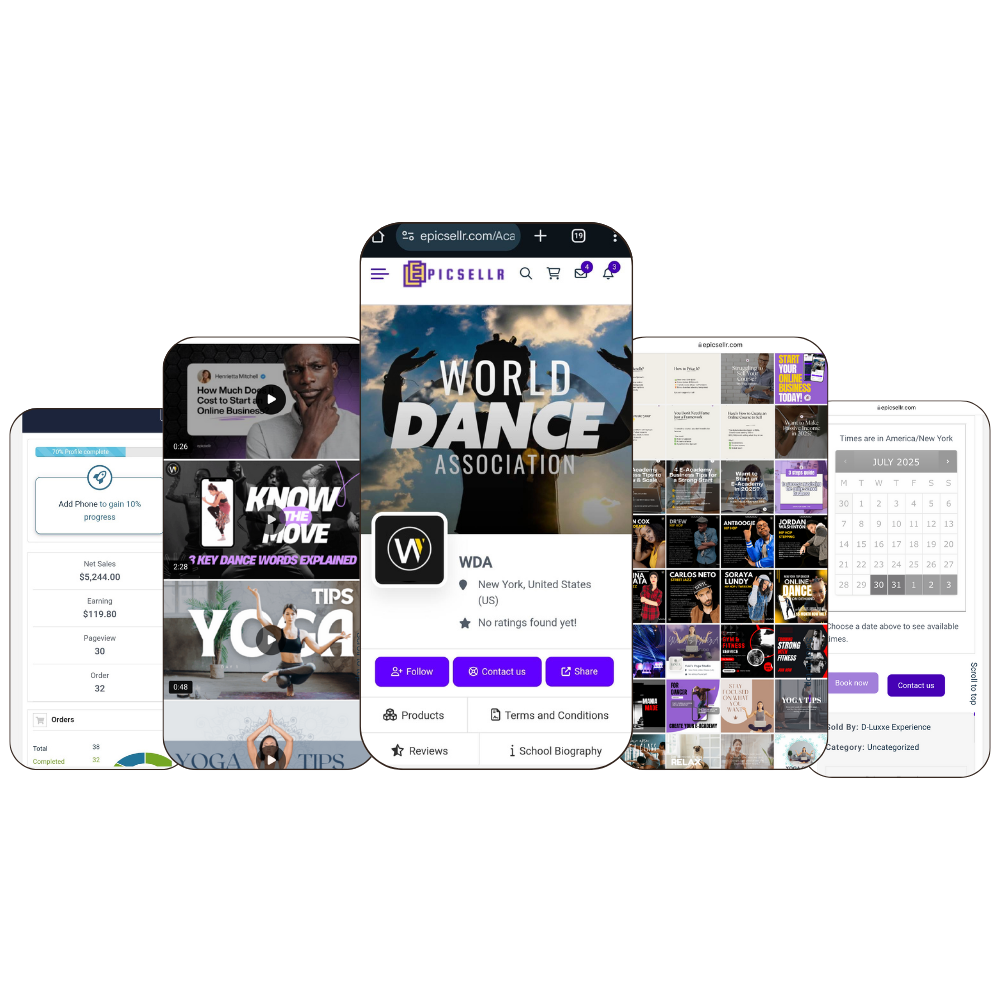
- Epicsellr: Automates course creation, subscriptions, and digital downloads.
- Amazon Kindle Direct Publishing: Ideal for e-books and written content.
- Gumroad / SendOwl: Simple platforms for digital product sales.
Choosing the right platform ensures you can sell content online efficiently without technical challenges.
Step 3 – Set Up Your Digital Store
To sell content online, you need to set up a professional online store:
- Design your store: Use templates or drag-and-drop editors for a clean look.
- Upload digital content: Include detailed descriptions, pricing, and previews.
- Set up payment options: Accept credit cards, PayPal, and other payment gateways.
- Automate delivery: Ensure customers receive instant access upon purchase.
A well-organized store helps you sell content online while providing a seamless customer experience.
Tools to Help You Sell Content Online
To simplify the process of selling, use these tools:
- Epicsellr: Automates delivery, payments, and subscriptions.
- Canva / Adobe Creative Cloud: Design high-quality digital products and promotional materials.
- Mailchimp / ConvertKit: Build an email list and send automated campaigns.
These tools make it easier to sell content online without requiring coding or technical expertise.
Step 4 – Market Your Content
Marketing is critical to reach buyers and successfully sell content online. Effective strategies include:
Social Media Marketing
- Promote products on Instagram, TikTok, YouTube, and LinkedIn.
- Share tutorials, tips, and previews of your content.
Email Marketing
- Build an email list to nurture leads and promote your content.
- Use automated campaigns to increase conversions and repeat sales.
Paid Advertising
- Run targeted ads on Facebook, Google, and Instagram to reach potential buyers.
By implementing these strategies, you can effectively sell content online to a global audience.
Step 5 – Automate Delivery and Sales
Automation helps you save time and scale efficiently. To sell content online, consider automating:
- Instant content delivery: Customers receive products immediately after purchase.
- Email follow-ups: Send automated upsell offers, course updates, or promotions.
- Payment processing: Secure transactions through platforms like Epicsellr or Stripe.
Automation ensures you can sell content online consistently without manual effort.

Step 6 – Track Performance and Optimize
To grow your business, monitor analytics and make improvements:
- Sales performance: Identify top-selling content and revenue trends.
- Customer feedback: Collect reviews to refine products.
- A/B testing: Experiment with pricing, visuals, and marketing messaging.
Tracking results allows you to optimize your strategy and continue to sell content online successfully.
Scaling Your Digital Content Business
Once your initial content is successful, scaling is the next step to sell content online more efficiently:
- Add new products: Expand your catalog to attract more buyers.
- Bundle or subscription offerings: Increase revenue per customer.
- Affiliate programs: Collaborate with influencers to promote your content.
- Upselling and cross-selling: Suggest complementary products to increase sales.
Scaling helps you sell content online while maximizing profits and audience reach.
Conclusion
Learning how to sell content online is about creating high-value products, marketing them effectively, automating sales, and continuously optimizing your business. With the right tools, you can reach a global audience, generate passive income, and grow your digital content business from anywhere.
Start selling your digital content today and automate your business easily at Epicsellr.com.